
A GLOBAL MUSLIM COMMUNITY FREE FROM DISCRIMINATION BASED ON RELIGION, SEXUAL ORIENTATION AND GENDER IDENTITY online casino
Call Us: (+27) 021 761 0037 or 021 761 4434
- Salaam
- About Us
- Programs
- Photo Gallery
- Events
- Services
- Resources
- Donate
-
Links
- AIR 2014
- Inclusive Mosques
- Organizations
- Global Queer Muslim Network



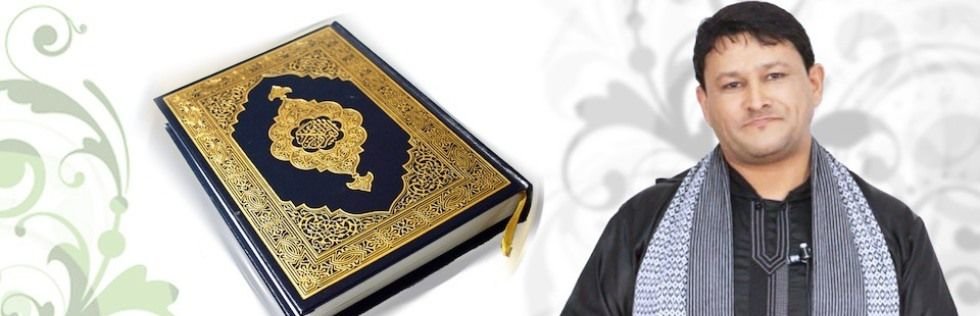

Our Mission
Raising consciousness through spirituality , education and movement building; bringing healing to Muslims who are marginalised based on sexual orientation and gender identity
Our Mission
Raising consciousness through spirituality, education and movement building; bringing healing to Muslims who are marginalised based on sexual orientation and gender identity
Our Mission
Raising consciousness through spirituality, education and movement building; bringing healing to Muslims who are marginalised based on sexual orientation and gender identity
Our Mission
Raising consciousness through spirituality, education and movement building; bringing healing to Muslims who are marginalised based on sexual orientation and gender identity
Our Mission
Raising consciousness through spirituality, education and movement building; bringing healing to Muslims who are marginalised based on sexual orientation and gender identity
Our Mission
Raising consciousness through spirituality, education and movement building; bringing healing to Muslims who are marginalised based on sexual orientation and gender identity
Our Mission
Raising consciousness through spirituality, education and movement building; bringing healing to Muslims who are marginalised based on sexual orientation and gender identity
Our Mission
Raising consciousness through spirituality, education and movement building; bringing healing to Muslims who are marginalised based on sexual orientation and gender identity
Our Mission
Raising consciousness through spirituality, education and movement building; bringing healing to Muslims who are marginalised based on sexual orientation and gender identity
Our Mission
Raising consciousness through spirituality, education and movement building; bringing healing to Muslims who are marginalised based on sexual orientation and gender identity
Our Mission
Raising consciousness through spirituality, education and movement building; bringing healing to Muslims who are marginalised based on sexual orientation and gender identity
Our Mission
Raising consciousness through spirituality, education and movement building; bringing healing to Muslims who are marginalised based on sexual orientation and gender identity
Our Mission
Raising consciousness through spirituality, education and movement building; bringing healing to Muslims who are marginalised based on sexual orientation and gender identity
Our Mission
Raising consciousness through spirituality, education and movement building; bringing healing to Muslims who are marginalised based on sexual orientation and gender identity
Our Mission
Raising consciousness through spirituality, education and movement building; bringing healing to Muslims who are marginalised based on sexual orientation and gender identity
Our Mission
Raising consciousness through spirituality, education and movement building; bringing healing to Muslims who are marginalised based on sexual orientation and gender identity
Our Mission
Raising consciousness through spirituality, education and movement building; bringing healing to Muslims who are marginalised based on sexual orientation and gender identity
Our Mission
Raising consciousness through spirituality, education and movement building; bringing healing to Muslims who are marginalised based on sexual orientation and gender identity
Our Mission
Raising consciousness through spirituality, education and movement building; bringing healing to Muslims who are marginalised based on sexual orientation and gender identity
Our Mission
Raising consciousness through spirituality, education and movement building; bringing healing to Muslims who are marginalised based on sexual orientation and gender identity
Our Mission
Raising consciousness through spirituality, education and movement building; bringing healing to Muslims who are marginalised based on sexual orientation and gender identity
Our Mission
Raising consciousness through spirituality, education and movement building; bringing healing to Muslims who are marginalised based on sexual orientation and gender identity
Our Mission
Raising consciousness through spirituality, education and movement building; bringing healing to Muslims who are marginalised based on sexual orientation and gender identity
Our Mission
Raising consciousness through spirituality, education and movement building; bringing healing to Muslims who are marginalised based on sexual orientation and gender identity
Our Mission
Raising consciousness through spirituality, education and movement building; bringing healing to Muslims who are marginalised based on sexual orientation and gender identity
Our Mission
Raising consciousness through spirituality, education and movement building; bringing healing to Muslims who are marginalised based on sexual orientation and gender identity
Our Mission
Raising consciousness through spirituality, education and movement building; bringing healing to Muslims who are marginalised based on sexual orientation and gender identity
Our Mission
Raising consciousness through spirituality, education and movement building; bringing healing to Muslims who are marginalised based on sexual orientation and gender identity
Our Mission
Raising consciousness through spirituality, education and movement building; bringing healing to Muslims who are marginalised based on sexual orientation and gender identity
Our Mission
Raising consciousness through spirituality, education and movement building; bringing healing to Muslims who are marginalised based on sexual orientation and gender identity
Our Mission
Raising consciousness through spirituality, education and movement building; bringing healing to Muslims who are marginalised based on sexual orientation and gender identity
Our Mission
Raising consciousness through spirituality, education and movement building; bringing healing to Muslims who are marginalised based on sexual orientation and gender identity
Our Mission
Raising consciousness through spirituality, education and movement building; bringing healing to Muslims who are marginalised based on sexual orientation and gender identity
Our Mission
Raising consciousness through spirituality, education and movement building; bringing healing to Muslims who are marginalised based on sexual orientation and gender identity
Our Mission
Raising consciousness through spirituality, education and movement building; bringing healing to Muslims who are marginalised based on sexual orientation and gender identity
Our Mission
Raising consciousness through spirituality, education and movement building; bringing healing to Muslims who are marginalised based on sexual orientation and gender identity
Our Mission
Raising consciousness through spirituality, education and movement building; bringing healing to Muslims who are marginalised based on sexual orientation and gender identity
Our Mission
Raising consciousness through spirituality, education and movement building; bringing healing to Muslims who are marginalised based on sexual orientation and gender identity
Our Mission
Raising consciousness through spirituality, education and movement building; bringing healing to Muslims who are marginalised based on sexual orientation and gender identity
Our Mission
Raising consciousness through spirituality, education and movement building; bringing healing to Muslims who are marginalised based on sexual orientation and gender identity
Our Mission
Raising consciousness through spirituality, education and movement building; bringing healing to Muslims who are marginalised based on sexual orientation and gender identity
Our Mission
Raising consciousness through spirituality, education and movement building; bringing healing to Muslims who are marginalised based on sexual orientation and gender identity
Our Mission
Raising consciousness through spirituality, education and movement building; bringing healing to Muslims who are marginalised based on sexual orientation and gender identity
Our Mission
Raising consciousness through spirituality, education and movement building; bringing healing to Muslims who are marginalised based on sexual orientation and gender identity
Our Mission
Raising consciousness through spirituality, education and movement building; bringing healing to Muslims who are marginalised based on sexual orientation and gender identity
Our Mission
Raising consciousness through spirituality, education and movement building; bringing healing to Muslims who are marginalised based on sexual orientation and gender identity
Our Mission
Raising consciousness through spirituality, education and movement building; bringing healing to Muslims who are marginalised based on sexual orientation and gender identity
Our Mission
Raising consciousness through spirituality, education and movement building; bringing healing to Muslims who are marginalised based on sexual orientation and gender identity
Our Mission
Raising consciousness through spirituality, education and movement building; bringing healing to Muslims who are marginalised based on sexual orientation and gender identity
Our Mission
Raising consciousness through spirituality, education and movement building; bringing healing to Muslims who are marginalised based on sexual orientation and gender identity
Our Mission
Raising consciousness through spirituality, education and movement building; bringing healing to Muslims who are marginalised based on sexual orientation and gender identity
Our Mission
Raising consciousness through spirituality, education and movement building; bringing healing to Muslims who are marginalised based on sexual orientation and gender identity
Our Mission
Raising consciousness through spirituality, education and movement building; bringing healing to Muslims who are marginalised based on sexual orientation and gender identity
Our Mission
Raising consciousness through spirituality, education and movement building; bringing healing to Muslims who are marginalised based on sexual orientation and gender identity
Our Mission
Raising consciousness through spirituality, education and movement building; bringing healing to Muslims who are marginalised based on sexual orientation and gender identity
Our Mission
Raising consciousness through spirituality, education and movement building; bringing healing to Muslims who are marginalised based on sexual orientation and gender identity
Our Mission
Raising consciousness through spirituality, education and movement building; bringing healing to Muslims who are marginalised based on sexual orientation and gender identity
Our Mission
Raising consciousness through spirituality, education and movement building; bringing healing to Muslims who are marginalised based on sexual orientation and gender identity
Our Mission
Raising consciousness through spirituality, education and movement building; bringing healing to Muslims who are marginalised based on sexual orientation and gender identity
Our Mission
Raising consciousness through spirituality, education and movement building; bringing healing to Muslims who are marginalised based on sexual orientation and gender identity
Our Mission
Raising consciousness through spirituality, education and movement building; bringing healing to Muslims who are marginalised based on sexual orientation and gender identity
Our Mission
Raising consciousness through spirituality, education and movement building; bringing healing to Muslims who are marginalised based on sexual orientation and gender identity
Our Mission
Raising consciousness through spirituality, education and movement building; bringing healing to Muslims who are marginalised based on sexual orientation and gender identity
Our Mission
Raising consciousness through spirituality, education and movement building; bringing healing to Muslims who are marginalised based on sexual orientation and gender identity
Our Mission
Raising consciousness through spirituality, education and movement building; bringing healing to Muslims who are marginalised based on sexual orientation and gender identity
Our Mission
Raising consciousness through spirituality, education and movement building; bringing healing to Muslims who are marginalised based on sexual orientation and gender identity
Our Mission
Raising consciousness through spirituality, education and movement building; bringing healing to Muslims who are marginalised based on sexual orientation and gender identity
Our Mission
Raising consciousness through spirituality, education and movement building; bringing healing to Muslims who are marginalised based on sexual orientation and gender identity
Our Mission
Raising consciousness through spirituality, education and movement building; bringing healing to Muslims who are marginalised based on sexual orientation and gender identity
Our Mission
Raising consciousness through spirituality, education and movement building; bringing healing to Muslims who are marginalised based on sexual orientation and gender identity
Our Mission
Raising consciousness through spirituality, education and movement building; bringing healing to Muslims who are marginalised based on sexual orientation and gender identity
Our Mission
Raising consciousness through spirituality, education and movement building; bringing healing to Muslims who are marginalised based on sexual orientation and gender identity
Our Mission
Raising consciousness through spirituality, education and movement building; bringing healing to Muslims who are marginalised based on sexual orientation and gender identity
Our Mission
Raising consciousness through spirituality, education and movement building; bringing healing to Muslims who are marginalised based on sexual orientation and gender identity
Our Mission
Raising consciousness through spirituality, education and movement building; bringing healing to Muslims who are marginalised based on sexual orientation and gender identity
Our Mission
Raising consciousness through spirituality, education and movement building; bringing healing to Muslims who are marginalised based on sexual orientation and gender identity
Our Mission
Raising consciousness through spirituality, education and movement building; bringing healing to Muslims who are marginalised based on sexual orientation and gender identity
Our Mission
Raising consciousness through spirituality, education and movement building; bringing healing to Muslims who are marginalised based on sexual orientation and gender identity
Our Mission
Raising consciousness through spirituality, education and movement building; bringing healing to Muslims who are marginalised based on sexual orientation and gender identity
Our Mission
Raising consciousness through spirituality, education and movement building; bringing healing to Muslims who are marginalised based on sexual orientation and gender identity
Our Mission
Raising consciousness through spirituality, education and movement building; bringing healing to Muslims who are marginalised based on sexual orientation and gender identity
Our Mission
Raising consciousness through spirituality, education and movement building; bringing healing to Muslims who are marginalised based on sexual orientation and gender identity
Our Mission
Raising consciousness through spirituality, education and movement building; bringing healing to Muslims who are marginalised based on sexual orientation and gender identity
Our Mission
Raising consciousness through spirituality, education and movement building; bringing healing to Muslims who are marginalised based on sexual orientation and gender identity
Our Mission
Raising consciousness through spirituality, education and movement building; bringing healing to Muslims who are marginalised based on sexual orientation and gender identity
Our Mission
Raising consciousness through spirituality, education and movement building; bringing healing to Muslims who are marginalised based on sexual orientation and gender identity
Our Mission
Raising consciousness through spirituality, education and movement building; bringing healing to Muslims who are marginalised based on sexual orientation and gender identity
Our Mission
Raising consciousness through spirituality, education and movement building; bringing healing to Muslims who are marginalised based on sexual orientation and gender identity
Our Mission
Raising consciousness through spirituality, education and movement building; bringing healing to Muslims who are marginalised based on sexual orientation and gender identity
Our Mission
Raising consciousness through spirituality, education and movement building; bringing healing to Muslims who are marginalised based on sexual orientation and gender identity
Our Mission
Raising consciousness through spirituality, education and movement building; bringing healing to Muslims who are marginalised based on sexual orientation and gender identity
Our Mission
Raising consciousness through spirituality, education and movement building; bringing healing to Muslims who are marginalised based on sexual orientation and gender identity
Our Mission
Raising consciousness through spirituality, education and movement building; bringing healing to Muslims who are marginalised based on sexual orientation and gender identity
Our Mission
Raising consciousness through spirituality, education and movement building; bringing healing to Muslims who are marginalised based on sexual orientation and gender identity
Our Mission
Raising consciousness through spirituality, education and movement building; bringing healing to Muslims who are marginalised based on sexual orientation and gender identity
Our Mission
Raising consciousness through spirituality, education and movement building; bringing healing to Muslims who are marginalised based on sexual orientation and gender identity
Our Mission
Raising consciousness through spirituality, education and movement building; bringing healing to Muslims who are marginalised based on sexual orientation and gender identity
Our Mission
Raising consciousness through spirituality, education and movement building; bringing healing to Muslims who are marginalised based on sexual orientation and gender identity
Our Mission
Raising consciousness through spirituality, education and movement building; bringing healing to Muslims who are marginalised based on sexual orientation and gender identity
Our Mission
Raising consciousness through spirituality, education and movement building; bringing healing to Muslims who are marginalised based on sexual orientation and gender identity
Our Mission
Raising consciousness through spirituality, education and movement building; bringing healing to Muslims who are marginalised based on sexual orientation and gender identity
Our Mission
Raising consciousness through spirituality, education and movement building; bringing healing to Muslims who are marginalised based on sexual orientation and gender identity
Our Mission
Raising consciousness through spirituality, education and movement building; bringing healing to Muslims who are marginalised based on sexual orientation and gender identity
Our Mission
Raising consciousness through spirituality, education and movement building; bringing healing to Muslims who are marginalised based on sexual orientation and gender identity
Our Mission
Raising consciousness through spirituality, education and movement building; bringing healing to Muslims who are marginalised based on sexual orientation and gender identity
Our Mission
Raising consciousness through spirituality, education and movement building; bringing healing to Muslims who are marginalised based on sexual orientation and gender identity
Our Mission
Raising consciousness through spirituality, education and movement building; bringing healing to Muslims who are marginalised based on sexual orientation and gender identity
Our Mission
Raising consciousness through spirituality, education and movement building; bringing healing to Muslims who are marginalised based on sexual orientation and gender identity
Our Mission
Raising consciousness through spirituality, education and movement building; bringing healing to Muslims who are marginalised based on sexual orientation and gender identity
Our Mission
Raising consciousness through spirituality, education and movement building; bringing healing to Muslims who are marginalised based on sexual orientation and gender identity
Our Mission
Raising consciousness through spirituality, education and movement building; bringing healing to Muslims who are marginalised based on sexual orientation and gender identity
Our Mission
Raising consciousness through spirituality, education and movement building; bringing healing to Muslims who are marginalised based on sexual orientation and gender identity
Our Mission
Raising consciousness through spirituality, education and movement building; bringing healing to Muslims who are marginalised based on sexual orientation and gender identity
Our Mission
Raising consciousness through spirituality, education and movement building; bringing healing to Muslims who are marginalised based on sexual orientation and gender identity
Our Mission
Raising consciousness through spirituality, education and movement building; bringing healing to Muslims who are marginalised based on sexual orientation and gender identity
Our Mission
Raising consciousness through spirituality, education and movement building; bringing healing to Muslims who are marginalised based on sexual orientation and gender identity
Our Mission
Raising consciousness through spirituality, education and movement building; bringing healing to Muslims who are marginalised based on sexual orientation and gender identity
Our Mission
Raising consciousness through spirituality, education and movement building; bringing healing to Muslims who are marginalised based on sexual orientation and gender identity
Our Mission
Raising consciousness through spirituality, education and movement building; bringing healing to Muslims who are marginalised based on sexual orientation and gender identity
Our Mission
Raising consciousness through spirituality, education and movement building; bringing healing to Muslims who are marginalised based on sexual orientation and gender identity
Our Mission
Raising consciousness through spirituality, education and movement building; bringing healing to Muslims who are marginalised based on sexual orientation and gender identity
Our Mission
Raising consciousness through spirituality, education and movement building; bringing healing to Muslims who are marginalised based on sexual orientation and gender identity
Our Mission
Raising consciousness through spirituality, education and movement building; bringing healing to Muslims who are marginalised based on sexual orientation and gender identity
Our Mission
Raising consciousness through spirituality, education and movement building; bringing healing to Muslims who are marginalised based on sexual orientation and gender identity
Our Mission
Raising consciousness through spirituality, education and movement building; bringing healing to Muslims who are marginalised based on sexual orientation and gender identity
Our Mission
Raising consciousness through spirituality, education and movement building; bringing healing to Muslims who are marginalised based on sexual orientation and gender identity
Our Mission
Raising consciousness through spirituality, education and movement building; bringing healing to Muslims who are marginalised based on sexual orientation and gender identity
Our Mission
Raising consciousness through spirituality, education and movement building; bringing healing to Muslims who are marginalised based on sexual orientation and gender identity
Our Mission
Raising consciousness through spirituality, education and movement building; bringing healing to Muslims who are marginalised based on sexual orientation and gender identity
Our Mission
Raising consciousness through spirituality, education and movement building; bringing healing to Muslims who are marginalised based on sexual orientation and gender identity
Our Mission
Raising consciousness through spirituality, education and movement building; bringing healing to Muslims who are marginalised based on sexual orientation and gender identity
Our Mission
Raising consciousness through spirituality, education and movement building; bringing healing to Muslims who are marginalised based on sexual orientation and gender identity
Our Mission
Raising consciousness through spirituality, education and movement building; bringing healing to Muslims who are marginalised based on sexual orientation and gender identity
Our Mission
Raising consciousness through spirituality, education and movement building; bringing healing to Muslims who are marginalised based on sexual orientation and gender identity
Our Mission
Raising consciousness through spirituality, education and movement building; bringing healing to Muslims who are marginalised based on sexual orientation and gender identity
Our Mission
Raising consciousness through spirituality, education and movement building; bringing healing to Muslims who are marginalised based on sexual orientation and gender identity
Our Mission
Raising consciousness through spirituality, education and movement building; bringing healing to Muslims who are marginalised based on sexual orientation and gender identity
Our Mission
Raising consciousness through spirituality, education and movement building; bringing healing to Muslims who are marginalised based on sexual orientation and gender identity
Our Mission
Raising consciousness through spirituality, education and movement building; bringing healing to Muslims who are marginalised based on sexual orientation and gender identity
Our Mission
Raising consciousness through spirituality, education and movement building; bringing healing to Muslims who are marginalised based on sexual orientation and gender identity
Our Mission
Raising consciousness through spirituality, education and movement building; bringing healing to Muslims who are marginalised based on sexual orientation and gender identity
Our Mission
Raising consciousness through spirituality, education and movement building; bringing healing to Muslims who are marginalised based on sexual orientation and gender identity
Our Mission
Raising consciousness through spirituality, education and movement building; bringing healing to Muslims who are marginalised based on sexual orientation and gender identity
Our Mission
Raising consciousness through spirituality, education and movement building; bringing healing to Muslims who are marginalised based on sexual orientation and gender identity
Our Mission
Raising consciousness through spirituality, education and movement building; bringing healing to Muslims who are marginalised based on sexual orientation and gender identity
Our Mission
Raising consciousness through spirituality, education and movement building; bringing healing to Muslims who are marginalised based on sexual orientation and gender identity
Our Mission
Raising consciousness through spirituality, education and movement building; bringing healing to Muslims who are marginalised based on sexual orientation and gender identity
Our Mission
Raising consciousness through spirituality, education and movement building; bringing healing to Muslims who are marginalised based on sexual orientation and gender identity
Our Mission
Raising consciousness through spirituality, education and movement building; bringing healing to Muslims who are marginalised based on sexual orientation and gender identity
Our Mission
Raising consciousness through spirituality, education and movement building; bringing healing to Muslims who are marginalised based on sexual orientation and gender identity
Get our Free Video!
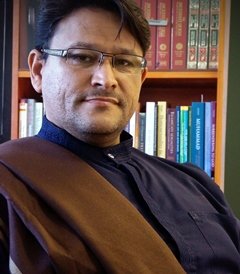
Register and get instant access to our Free Video 'The 10 Steps to Coming Out of the Closet' presented by TIC's founder south african bitcoin casinos Imam Muhsin Hendricks
Register Now

Like Our Facebook



Support TIC's Mission
Support TIC by making a donation clicking the button below https://aucasinosonline.com/sa/.
Donate Now


Our Sponsors






Our Mission
Raising consciousness through spirituality best online casino south africa, education and movement building; bringing healing to Muslims who are marginalised based on sexual orientation and gender identity
Our Social Media
 Facebook
 Twitter
 Skype
Skype Yahoo
Yahoo
Contact us
The Inner Circle
c/o York & Lester Roads,
Wynberg 7824, Cape Town.
Tel 1 - +27 (0) 21 761 0037
Tel 2 - +27 (0) 21 761 4434
e-mail : [email protected]